
Production-Ready Event Venue in Montreal: What to Look for (Checklist for Planners & Agencies)
For event planners and agencies producing large-scale events, the venue is much more than just a space. It is the technical foundation that determines how easily a production team can install staging, lighting, audiovisual equipment, and scenic design.
Choosing a production-ready venue can significantly reduce setup time, production costs, and operational complexity. Before confirming a venue, experienced planners typically evaluate a series of technical and logistical factors to ensure the space can support the scale and creative ambition of the event.
Ceiling Height and Rigging Capabilities
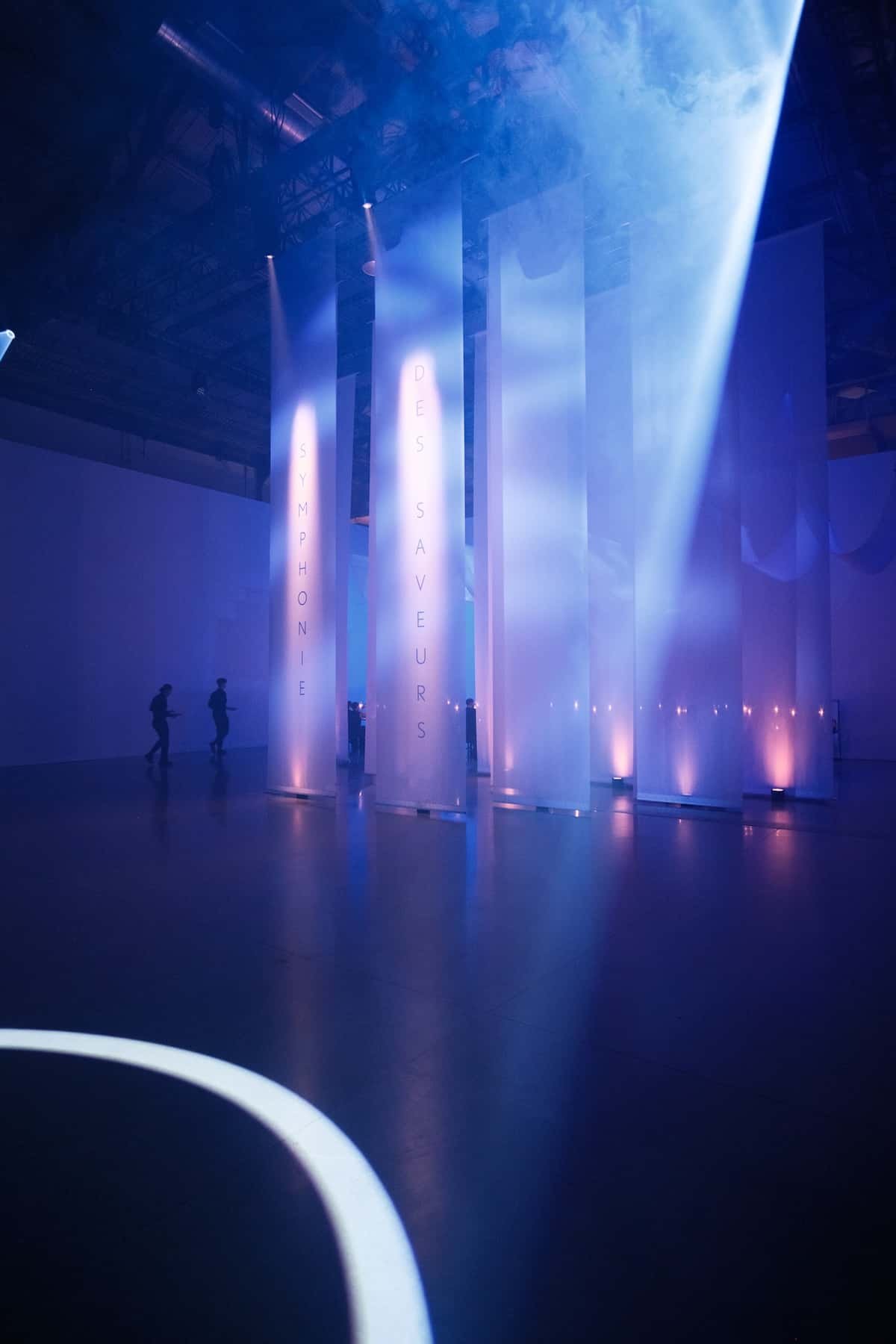
One of the first technical elements production teams evaluate is ceiling height. Large lighting designs, scenic builds, and stage structures require vertical space. Venues with high ceilings allow designers to create more immersive environments while accommodating lighting trusses, projection screens, and scenic installations.
In addition to ceiling height, planners should confirm whether the venue includes built-in rigging points or a truss grid system. Rigging infrastructure simplifies the installation of lighting and audiovisual equipment while reducing the need for additional support structures on the floor.

Electrical Capacity and Power Distribution
Modern events often rely on complex lighting, audiovisual systems, LED walls, and broadcast equipment. Without sufficient electrical capacity, production teams may need to bring in external generators, which adds cost and complexity.
A true production-ready venue Montreal planners can depend on should offer strong electrical infrastructure, often including three-phase power and multiple distribution points throughout the space. This ensures production teams can safely power large-scale installations without overloading circuits or creating operational risks.
Loading Access and Production Logistics
Efficient load-in and load-out logistics are critical for large productions. Venues that include direct loading docks, ground-level access, or large service doors allow trucks to unload equipment quickly and safely.
For events with extensive staging, décor, and technical equipment, production teams often work on tight installation schedules. Spaces designed with production logistics in mind allow crews to move equipment directly into the venue without complicated transport routes or freight elevators.
Flexible Layout and Zoning
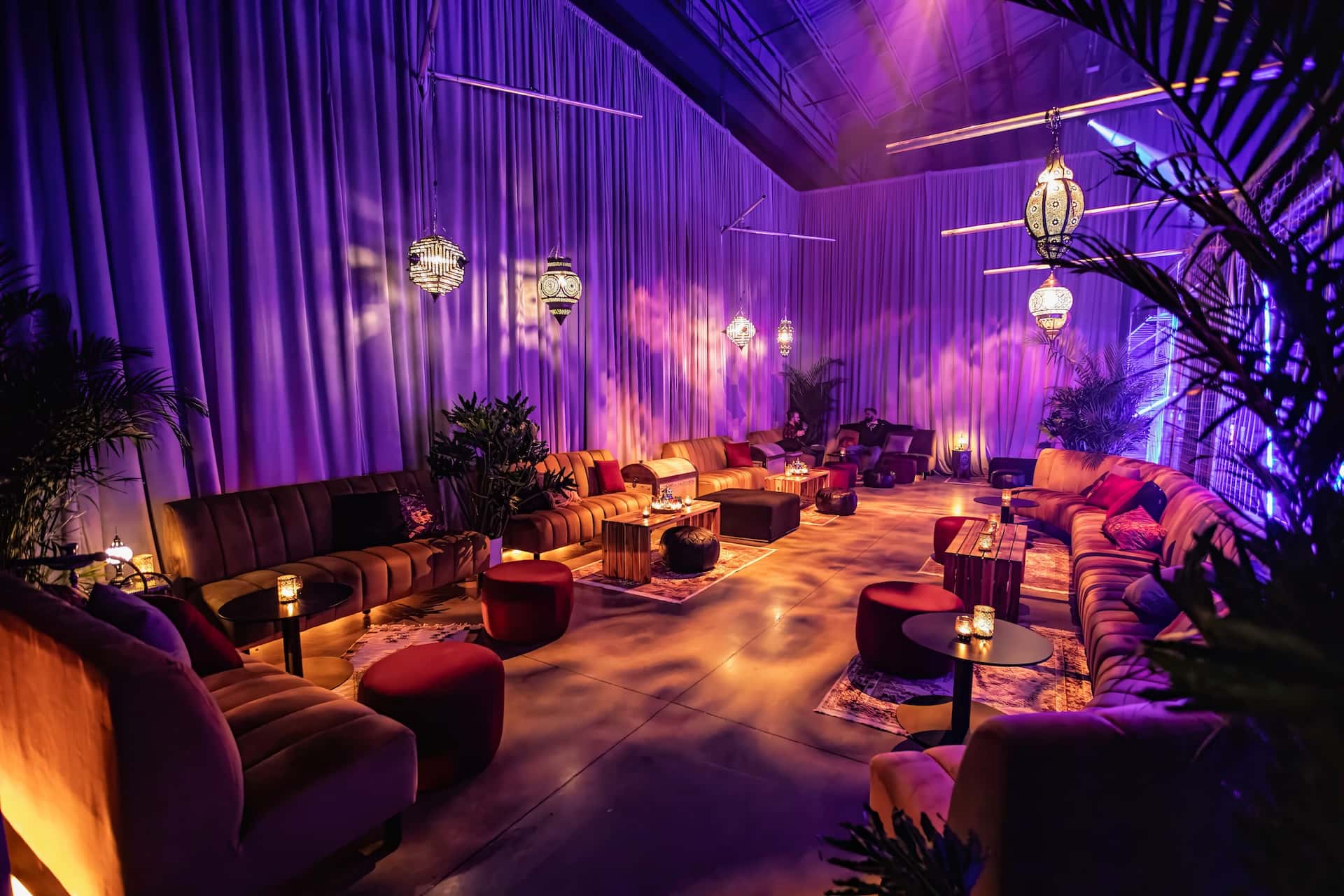
Large events rarely use a venue in a single configuration. Production teams often need to create multiple zones within the same space, including stages, seating areas, lounges, sponsor activations, and catering stations.
A flexible layout allows planners to design different environments while maintaining smooth guest flow. Open floor plans are particularly valuable because they allow production designers to build custom staging and scenic elements without structural limitations.
Backstage Areas and Production Support Spaces
Behind-the-scenes infrastructure is just as important as the main event space. Production-ready venues typically include green rooms, backstage areas, and storage spaces where speakers, performers, or technical crews can prepare before going on stage.
Dedicated production areas also help keep equipment and staff operations separate from guest areas, maintaining a polished event environment while supporting efficient workflows.
Catering and Service Infrastructure
While production infrastructure is essential, planners should also consider how catering operations integrate with the event layout. Professional kitchens, service corridors, and staging areas for catering teams help ensure that food and beverage service does not interfere with production schedules.
This is particularly important for events that transition from conferences or presentations to evening receptions within the same venue.
Production-Ready Venue Checklist for Event Planners
When evaluating potential venues, planners and agencies often use a technical checklist to confirm whether the space can support their production needs.
- High ceilings suitable for lighting rigs and stage builds
- Built-in rigging points or truss grid options
- Strong electrical infrastructure and three-phase power
- Accessible loading docks or large service entrance
- Flexible open layouts for staging and audience configurations
- Backstage areas or green rooms for speakers and performers
- Professional kitchen and catering service areas
- Reliable internet connectivity for streaming or hybrid events
If a venue meets most of these criteria, it is likely capable of supporting large-scale productions with fewer logistical challenges.